Trying to decide between the lock-and-go ease of a luxury condo or the privacy of a Beverly Hills estate? You are not alone. Many high‑net‑worth buyers and downsizers weigh the same choice, balancing convenience, control, and long‑term value. In this guide, you will see the real tradeoffs for Beverly Hills specifically, with clear steps to protect your investment.
You will learn how privacy, amenities, HOA rules, taxes, insurance, and resale dynamics differ across condos and single‑family homes. You will also get a practical checklist you can use before you write an offer. Let’s dive in.
Beverly Hills market snapshot
Beverly Hills pricing varies by source and by whether you look at listing or closed sales. For context, Realtor.com’s recent snapshot shows a median listing price near $5.55 million for Beverly Hills as of early 2026, which reflects the city’s luxury skew and constrained supply. You can review the current overview on Realtor.com for details and definitions.
PropertyShark’s Q4 2025 snapshot points to a median sold price around the low‑millions, with an example median home sale near $3.4 million for the quarter and a condo median near $1.6 million. These differences reflect time windows and data definitions. Always compare like‑to‑like comps for the exact submarket and building or block when you price a purchase.
Scarcity is a structural force here. Beverly Hills is small, tightly zoned, and largely low‑rise, which supports land value for single‑family lots over time. The city’s planning background outlines the limited multi‑family footprint and land‑use context. At the same time, new and proposed luxury towers and branded residences are adding a future condo pipeline nearby, which influences amenity expectations and pricing for full‑service buildings. Recent coverage of a high‑rise proposal along Wilshire offers a window into how this segment is evolving.
References: review the Beverly Hills market overview on Realtor.com, PropertyShark’s Beverly Hills trends, the city’s General Plan technical background, and the Los Angeles Times coverage of new luxury condo proposals.
Privacy and lifestyle
What houses deliver
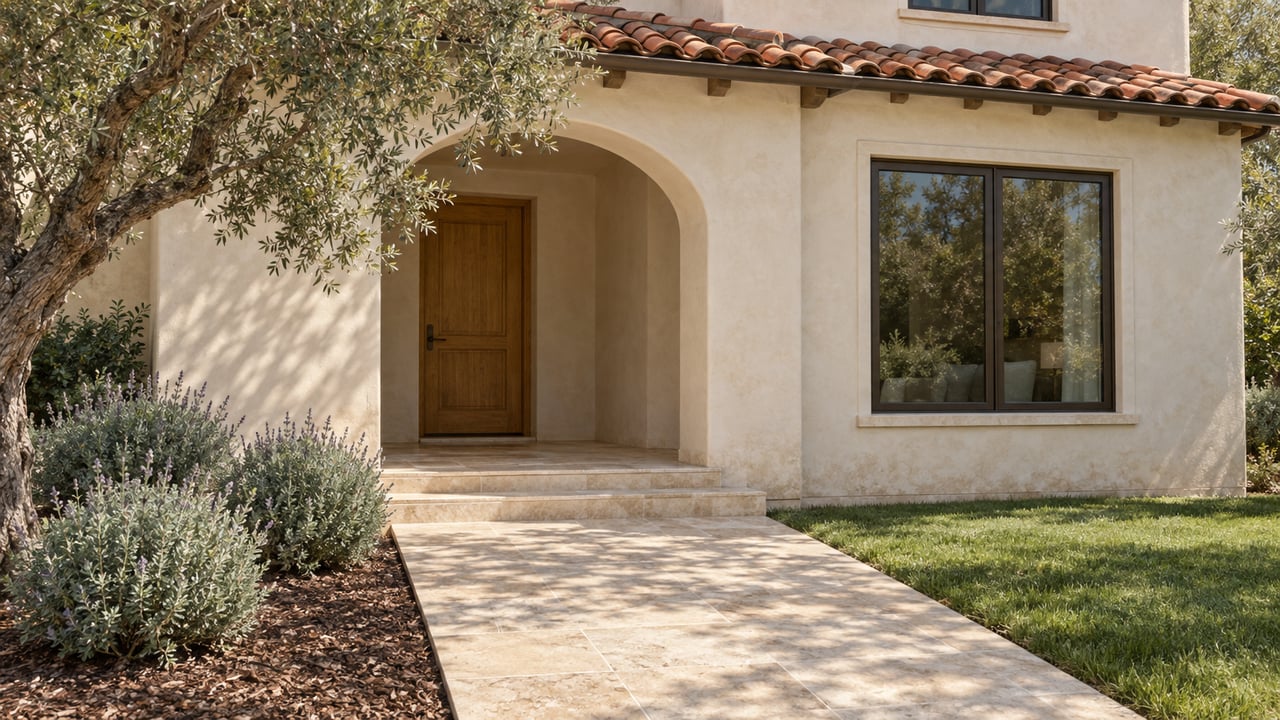
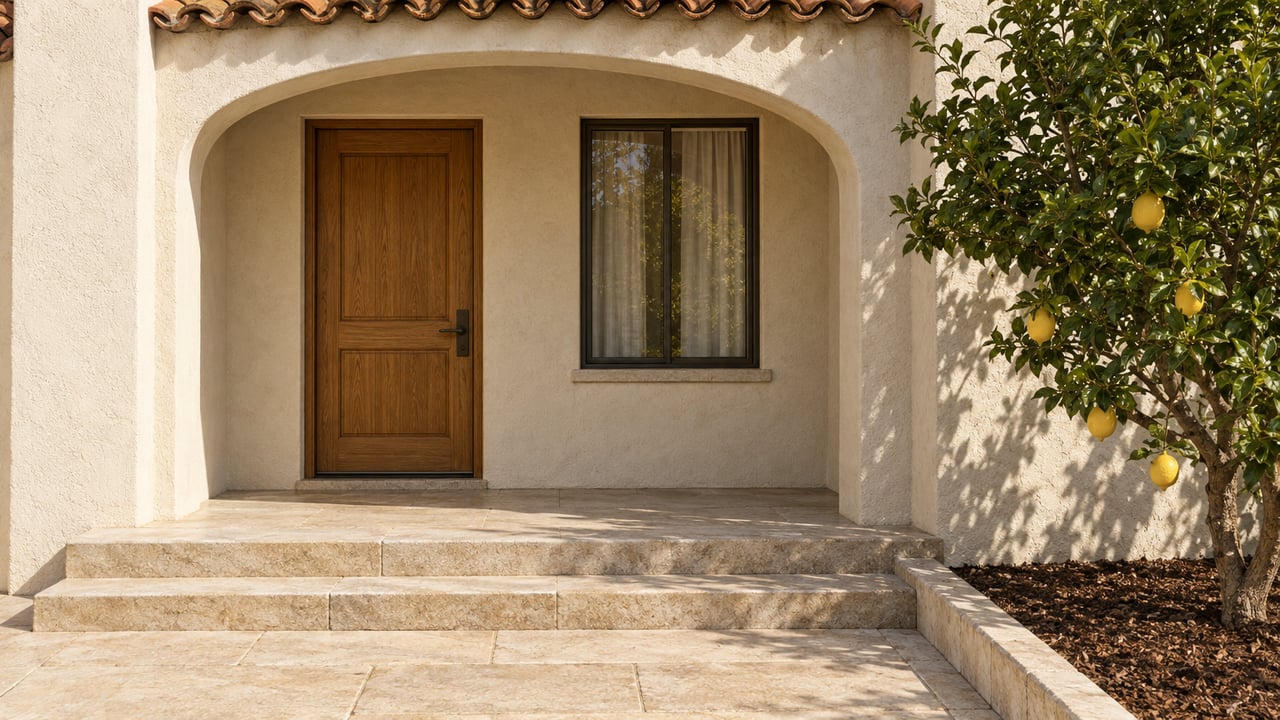
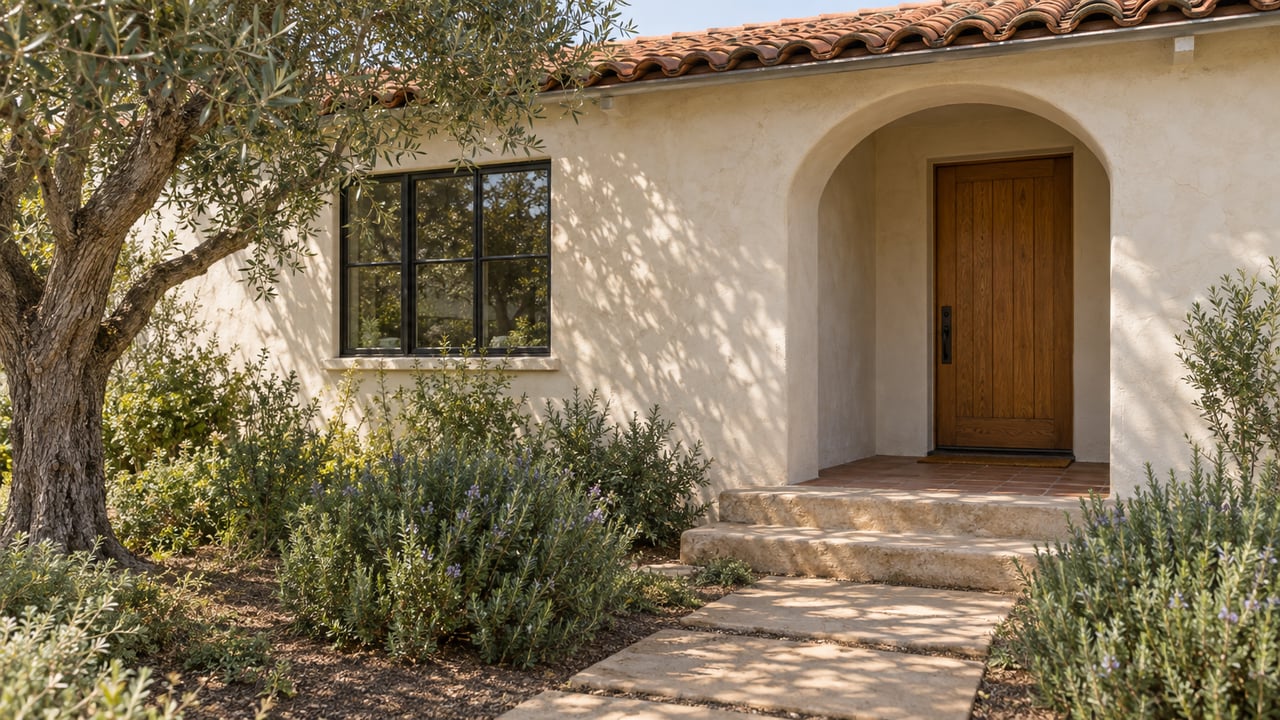
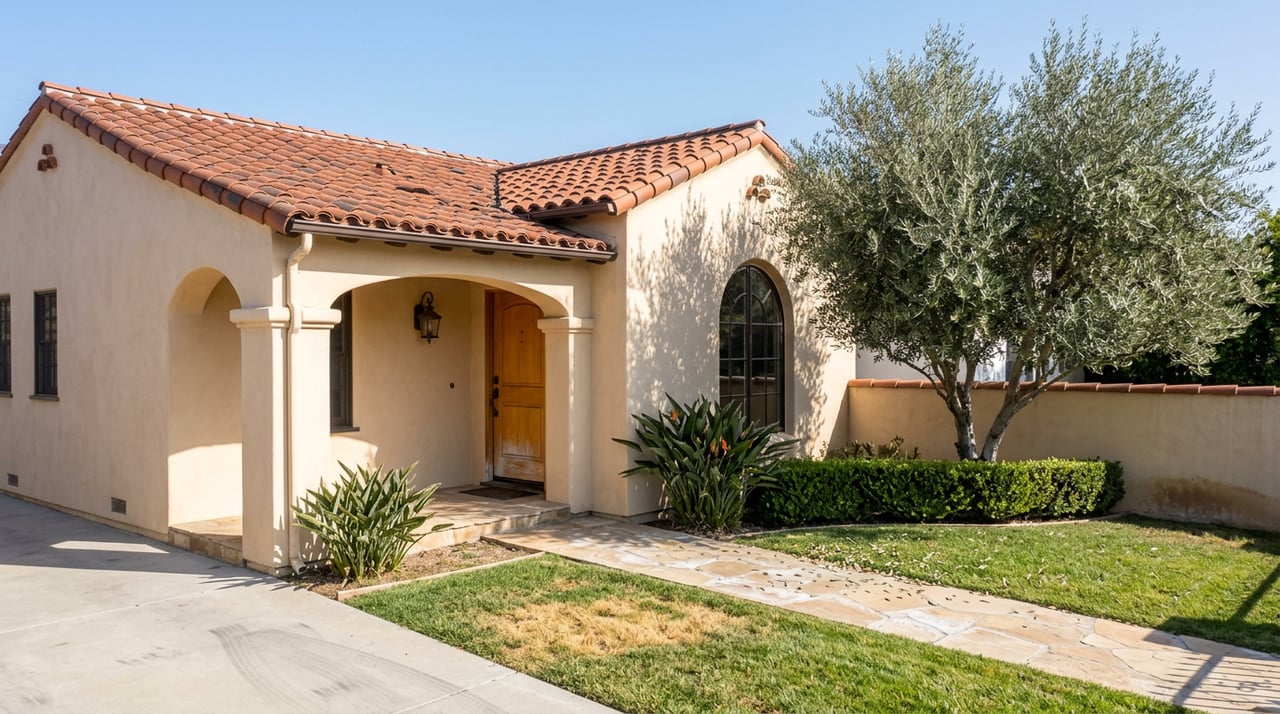
A single‑family estate buys land and control. You set the tone on landscaping, driveway access, setbacks, gates, pool, and guest spaces. In Beverly Hills, those attributes are scarce, especially in the Hills, Trousdale, and the Flats, and they tend to command a premium. The city’s limited multi‑family zoning helps explain why lot value often holds up well during market shifts.
What condos deliver
A luxury condo trades private land for managed privacy. You get secured entries, concierge service, controlled visitor access, and on‑site staff. For downsizers and frequent travelers, that lighter maintenance load and hotel‑like experience can be decisive. New branded towers are designed to compete directly with estate living by offering elevated amenities, dining access, and security.
Amenities and service
Condos, especially full‑service buildings, bundle convenience. Valet, doorman, concierge, gym/spa, pool, housekeeping options, and building maintenance reduce your time on chores. The monthly dues wrap many variables into a predictable payment.
Houses demand private staffing if you want the same experience. Gardeners, pool technicians, security, housekeeping, and a property manager can match the service level, but you will manage vendors and costs yourself. These line items feel variable, but you control the scope and timing.
Carrying costs to compare
Property taxes
California’s Proposition 13 sets a base 1 percent levy on assessed value, with annual increases generally capped after purchase. Voter‑approved bonds and special assessments add to the bill, and rates vary by parcel. Review the seller’s current bill and confirm details with the county. The Los Angeles County Auditor’s office explains how the components work.
- Resource: LA County Auditor property tax FAQs
Insurance and earthquakes
Earthquake insurance is separate in California. Most carriers offer coverage through or aligned with the California Earthquake Authority. Condo buyers need to coordinate the HOA master policy with a personal HO‑6 policy and consider loss‑assessment coverage if the building has high deductibles. Review state guidance before you choose limits and deductibles.
HOA dues vs private upkeep
- Condos: Monthly HOA dues cover common‑area maintenance, staff, utilities covered by the association, and reserves. Dues can escalate, and under‑funded reserves can lead to special assessments.
- Houses: You control timing and scope. Budget for landscaping, pool service, roof and HVAC upkeep, pest control, security, and periodic capital projects.
HOA rules and risks
Two California laws now shape condo ownership costs in a material way. Both fall under the Davis‑Stirling Act and they are not optional.
- SB 326 (Civil Code §5551): Requires periodic, licensed‑engineer visual inspections of exterior elevated elements such as balconies and walkways, with reports and nine‑year reinspection cycles. Findings can trigger repair programs and special assessments, especially in older buildings. Review the statute text for scope and timing.
- SB 900 (affecting Civil Code §5550 and related sections): Expands reserve‑study planning to include more building systems when the association is responsible, including gas, water, and electrical. It also clarifies emergency and assessment authority. Associations with weak reserves are more likely to levy special assessments or borrow when urgent work arises.
Key implication: a building with “low dues” can still be high risk if reserves are thin or SB 326 inspections flagged repairs. Underwrite the association, not just the unit.
- Read the law: Civil Code §5551 (SB 326) and Civil Code §5550 (reserve studies)
Resale and liquidity
Single‑family estates in Beverly Hills trade on location, lot, privacy, and architecture. Buyer pools are wealthy and focused, which supports value but can lengthen marketing time for unique or trophy properties. Matching the right buyer to a specific estate is key.
Condos often attract downsizers, international buyers, and those who value services and security. New branded residences can lift demand for full‑service buildings, but they also create a two‑tier market between newer, amenity‑rich towers and legacy mid‑rises. Always use building‑specific comps and a defined time window when you assess resale potential.
Valuation signals to watch
Single‑family pitfalls
- Overpaying for finishes or provenance while underestimating long‑term site costs such as retaining walls, pools, mature trees, or utility replacements.
- Underestimating the cost and timeline for additions or major remodels. Beverly Hills has a careful planning environment; check zoning and municipal rules early using the city’s planning background for context.
- Skipping seismic and drainage diligence. Foundation and hillside remediation can be costly and time‑consuming.
Condo pitfalls
- Paying for amenities without inspecting governance. A building with low dues but weak reserves is exposed to special assessments under SB 326 and SB 900. Always request the reserve study, current budget, board minutes, and any inspection reports before you finalize price.
- Ignoring master‑policy deductibles and coverage gaps. Know what the HOA covers and where you need HO‑6 and loss‑assessment coverage.
- Overlooking parking and storage. In Beverly Hills, parking ratios and secure storage are persistent value drivers.
Due diligence checklists
Before you buy a condo
- Obtain the HOA packet: CC&Rs, bylaws, current budget, latest reserve study, last 12 months of minutes, insurance summary, and special‑assessment history.
- Confirm whether the building completed its SB 326 inspection. Request the engineer’s report and any remediation plan.
- Review two years of HOA financials and bank statements to verify reserve levels. If reserves are low, model likely assessments into your carrying cost.
- Clarify insurance: what the master policy covers, the deductible, and the HO‑6 coverage you will need, including loss‑assessment.
- Confirm rental rules. Beverly Hills restricts short‑term rentals; check the city’s policy and the building’s rules if income or flexibility matters to you.
Helpful links: Civil Code §5551, Civil Code §5550, and the city’s page on Short‑Term Vacation Rentals.
Before you buy a house
- Title and liens: verify easements, access rights, and any recorded agreements that affect use.
- Structural and geotechnical: order a full inspection. On slopes, include geotechnical review for foundation, retaining walls, and drainage.
- Pool and systems: confirm pool/spa equipment condition and the age of HVAC, plumbing, and electrical systems.
- Historic or cultural limits: check if any designation applies that could limit remodel options, and confirm permits for prior work.
Financing and negotiation notes
- Condos: Model a full monthly load that includes mortgage, HOA dues, property tax, insurance, and a realistic allowance for special assessments if reserves are weak.
- Houses: Build a service budget that includes landscaping, pool, security, pest control, and periodic capital work, in addition to tax and insurance.
- Financing: If you plan to borrow for a condo, ask your lender about project approval standards. Buildings with governance issues or recent large assessments may face tighter underwriting.
Quick decision guide
Choose a condo if you:
- Want hotel‑style services, secured access, and a simpler daily routine.
- Travel frequently and prefer a lock‑and‑go lifestyle with staff on site.
- Value predictable monthly costs more than control over land.
Choose a house if you:
- Want privacy, outdoor space, and control over architecture and grounds.
- Expect to entertain, add features, or customize at your pace.
- Accept variable maintenance in exchange for land and seclusion.
Next steps
The right choice comes down to how you value privacy, predictability, and long‑term capital planning. If you want appraisal‑grade pricing guidance, building‑level underwriting for condos, or a clear view of site and systems risk for estates, schedule a confidential strategy session. Connect with Jennifer Landon to build a plan and compare options side by side.
FAQs
What is the current price context for Beverly Hills buyers?
- Public snapshots show a median listing price near $5.55M (Realtor.com) and Q4 2025 median sold prices in the low‑millions with condos near $1.6M (PropertyShark); always verify comps by submarket and date.
How do SB 326 and SB 900 affect condo ownership?
- They require engineering inspections of balconies and expand reserve‑study scope, increasing transparency and the likelihood of special assessments if reserves are weak; review Civil Code §§5551 and 5550 before you buy.
How do Beverly Hills rules treat short‑term rentals?
- The city restricts short‑term rentals; check the official Short‑Term Vacation Rentals page and your HOA rules for building‑specific limits.
How do property taxes work when I buy here?
- California’s Prop 13 sets a base 1 percent levy on your new assessed value, with additional voter‑approved charges; confirm parcel specifics with the LA County Auditor’s FAQs.
Do I need earthquake insurance for a Beverly Hills property?
- Earthquake coverage is optional but common; condo owners should coordinate HOA master coverage with an HO‑6, and all buyers can review the state’s earthquake insurance guide for limits and deductibles.
What condo factors most affect resale value here?
- Building governance and reserves, parking and storage, service level, and recent SB 326 inspection results often drive pricing more than finishes; use building‑specific comps within a defined time window.