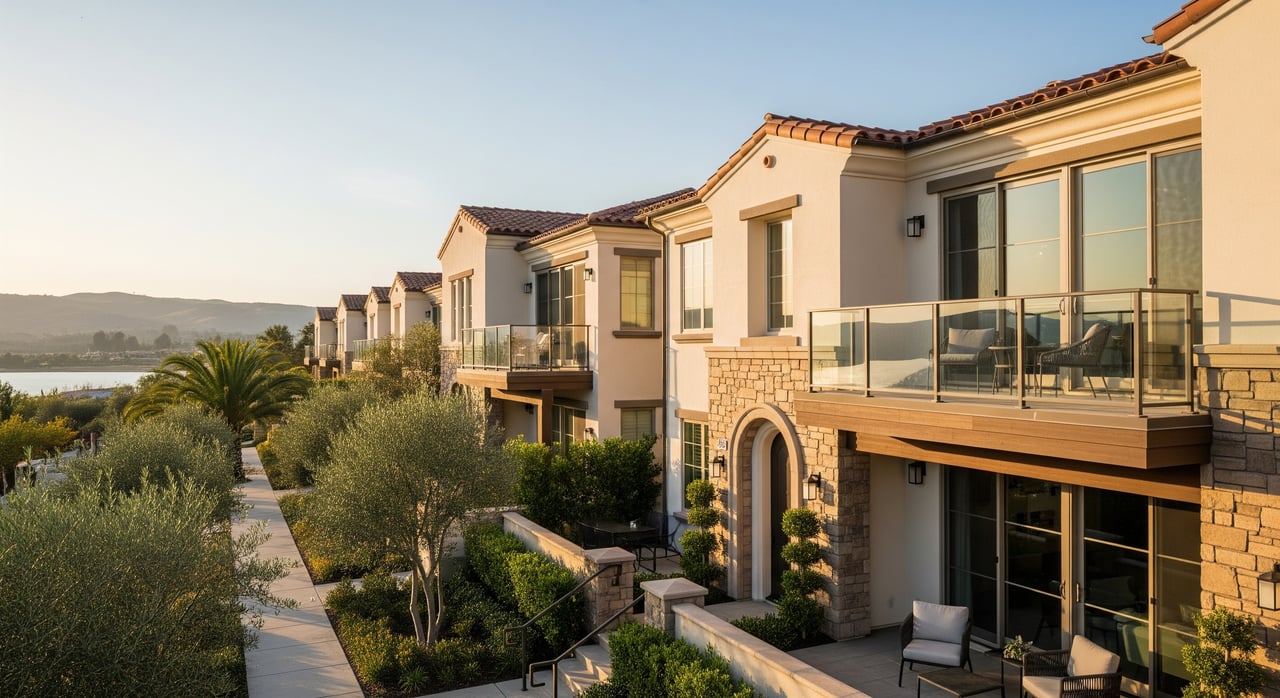
Torn between a condo and a townhome in Westlake Village? You are not alone. Both offer low‑maintenance living and great amenities, but the details can change your monthly costs, insurance needs, financing options, and resale path. In this guide, you will learn the real differences in California, how Westlake Village’s HOA structures shape day‑to‑day life, and a step‑by‑step checklist to compare specific homes. Let’s dive in.
Key difference: how you own it
In California, a condo is a legal form of ownership. You own the interior of your unit plus a share of the common areas. A townhome is a building style, not a default legal form. It can be legally a condo or a fee‑simple home on its own lot.
What that means for you:
- A condo owner typically relies on the HOA for exterior maintenance and amenities.
- A townhome can be condo‑form or fee‑simple. If fee‑simple, you may own the structure and yard and take on more exterior upkeep.
- The label on the listing is not enough. Read the deed, the recorded plan or parcel map, and the CC&Rs to confirm ownership type and responsibilities.
The Davis‑Stirling Common Interest Development Act governs how HOAs operate in California. It sets rules for disclosures, budgets, reserves, meetings, and assessments. Those documents tell you what you actually own and what the HOA manages.
HOA scope, rules, and finances
Your HOA defines a lot about cost and lifestyle. Before you commit, request the full resale packet and review:
- Governing documents: CC&Rs, bylaws, and community rules.
- Financials: current budget, recent financial statements, and the reserve study.
- Insurance: master policy type, coverage limits, and deductibles.
- Governance: recent meeting minutes, any pending litigation, and any special assessments.
In Westlake Village, HOA dues vary with amenities. Communities with pools, clubhouses, gates, or lake‑adjacent landscaping often have higher dues. Rules may cover noise, parking, pets, architectural changes, and rental caps. If you plan to rent someday, check restrictions before you buy.
Maintenance and daily responsibilities
Typical patterns you will see:
- Condos: The HOA often maintains the exterior, roofs, common plumbing and electrical, hallways, and landscaping. You maintain the interior finishes and fixtures.
- Fee‑simple townhomes: You may be responsible for the roof, exterior walls, fencing, and yard. The HOA often covers shared roads, gates, and community amenities. Some townhome communities are legally condos, so verify the CC&Rs.
Local factors to keep in mind in Westlake Village:
- Mediterranean climate: Irrigation and drought rules can affect landscaping and water costs.
- Termites: Southern California has moderate to high risk, so inspections and treatments are common.
- Wildfire and defensible space: Hillside and open‑space edges may require brush clearance and fire‑safe landscaping.
- Near Westlake Lake: Shoreline or drainage rules can apply. Review the HOA and local guidelines.
Insurance and risk in Westlake Village
The right policy depends on what you own and what the HOA covers. Start by reading the master policy.
- Master/association policy: Can be all‑in or walls‑out. It may cover structure and common areas or only shared spaces.
- Your policy: Condo owners typically carry an HO‑6 for interior improvements, personal property, liability, and loss assessment coverage. Fee‑simple townhome owners often need an HO‑3 dwelling policy.
- Deductibles and assessments: Many master policies have large deductibles for hazards like earthquakes. Owners can be assessed a portion of that deductible. Confirm the amounts and match your own coverage.
- Earthquake and flood: Earthquake insurance is separate. Check flood risk near the lake or downstream areas. Flood coverage is typically a separate policy. Wildfire exposure and underwriting can influence premiums in nearby hillside zones.
Financing and resale factors
Financing rules can quietly shape your buyer pool and future resale value.
- Project approval: Condo projects sometimes need approval for FHA, VA, or agency loans. If the project is not approved, financing options can narrow.
- Fewer hurdles for fee‑simple: Townhomes on separate parcels often face fewer project‑level approvals, which can help marketability.
- Appraisal: Condos are compared to other condos. Larger layouts, private garages, or yards in townhome communities can support premiums when comparable sales exist.
- Rentals: Rental caps or short‑term restrictions affect investors and potential rental income.
- Taxes and jurisdiction: Property taxes follow California’s Prop 13 base plus local add‑ons. Some areas include special assessments. Westlake Village spans Los Angeles County and Ventura County, so confirm which county and services apply for the specific address.
Lifestyle fit around Westlake Lake
Both condos and townhomes can suit a lock‑and‑leave lifestyle, but the feel can be different.
- Density: Condos often have more neighbors per building and shared entries. Townhomes offer more vertical separation and private outdoor space.
- Amenities: Pools, clubhouses, gates, and walking paths are common. Lake‑adjacent communities may have rules or limited access, so verify what is included.
- Parking: Condos may offer assigned spaces and shared guest parking. Townhomes more often have attached garages and driveways.
- Buyer profile: Downsizers may value the lower hands‑on maintenance of condos. Move‑up buyers often prefer townhomes for extra bedrooms, private garages, or a small yard.
Step‑by‑step due diligence
Use this sequence to simplify your decision:
- Confirm ownership form. Read the deed and recorded map. Is it a condo unit or a fee‑simple parcel in a planned development?
- Request the HOA resale packet. Review CC&Rs, rules, budget, financials, reserve study, meeting minutes, and any litigation.
- Check the master insurance. Confirm coverage type, limits, and deductibles. Match your HO‑6 or HO‑3 policy accordingly, including loss assessment coverage if needed.
- Assess hazards. Review wildfire exposure and defensible space requirements, flood risk near the lake, and any drainage issues.
- Talk to your lender early. Ask about condo project approvals and any financing constraints.
- Verify taxes and assessments. Confirm Prop 13 base, special taxes, and which county jurisdiction applies to the property.
Quick comparison checklist
Bring this list to showings and when reviewing disclosures:
- Ownership form
- Condo or fee‑simple? What does the deed and map say?
- HOA governance and documents
- CC&Rs, bylaws, rules, budget, reserve study, minutes, and litigation status
- HOA fees and inclusions
- Exterior, roof, landscaping, water, trash, cable, security, and common utilities
- Master insurance
- All‑in or walls‑out, carrier, limits, and deductibles
- Owner insurance
- HO‑6 for condos or HO‑3 for fee‑simple; consider loss assessment coverage
- Maintenance responsibilities
- Roof, exterior, paint, patios, fences, yards, gutters, and garage doors
- Special assessments and reserves
- Recent or planned assessments, reserve funding level, large projects on the horizon
- Financing and resale
- FHA/VA/agency approvals, rental caps, owner‑occupancy requirements
- Parking and storage
- Assigned spaces, garage size, tandem configuration, guest parking
- Pets and rental rules
- Pet policies and any short‑term rental restrictions
- Safety and hazards
- Flood zone status, wildfire severity, and termite history
- Lifestyle and location
- Distance to Westlake Lake and access policy, commute routes, neighborhood traffic patterns
- Taxes and special assessments
- Prop 13 base, any special district taxes, and county jurisdiction
Local insight and next steps
In Westlake Village, two homes that look alike can carry very different costs and obligations. The deciding factor is almost always in the documents, not the exterior style. If you want a smoother process and a clear apples‑to‑apples comparison, bring an expert who reads the fine print and understands how financing, insurance, and HOA health affect value.
Ready to compare specific homes or review an HOA packet together? Connect with Jennifer Landon for an appraisal‑informed strategy session tailored to your goals.
FAQs
What is the main difference between condos and townhomes in Westlake Village?
- A condo is a legal ownership type, while a townhome is a building style that can be legally a condo or fee‑simple; always confirm with the deed and CC&Rs.
How do HOA rules impact my monthly costs in Westlake Village?
- The HOA’s budget, reserve funding, amenities, and master insurance determine dues and potential assessments, which directly affect your monthly outlay.
What insurance do I need for a Westlake Village condo or townhome?
- Condo owners usually carry an HO‑6 policy, and fee‑simple townhome owners often carry an HO‑3; match your coverage to the HOA master policy and deductibles.
Do condo project approvals affect my financing options?
- Yes. Some loans require condo project approval, which can limit options; fee‑simple townhomes often face fewer project‑level hurdles.
What local hazards should I check before buying in Westlake Village?
- Review wildfire exposure and defensible space rules, check flood risk near Westlake Lake, and include termite inspections in your due diligence.
Why does county jurisdiction matter in Westlake Village?
- Parts of Westlake Village fall in Los Angeles County and others in Ventura County, which can affect taxes, services, permitting, and school district alignment.