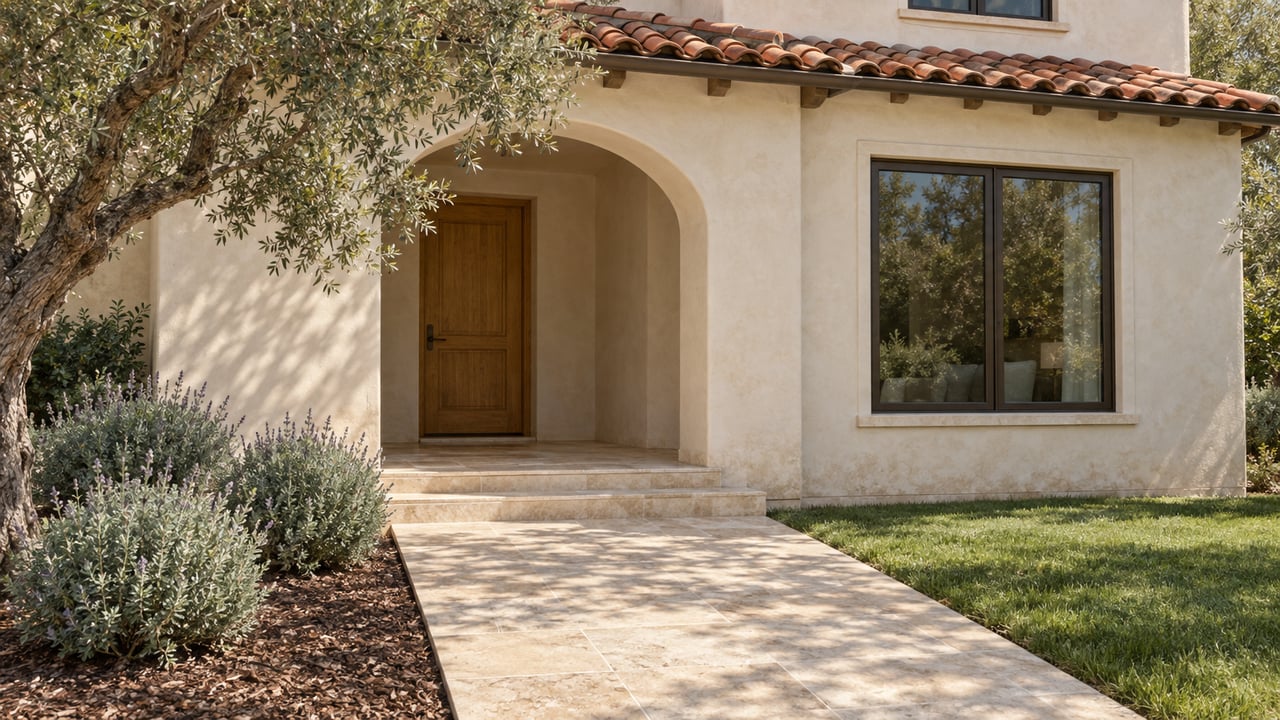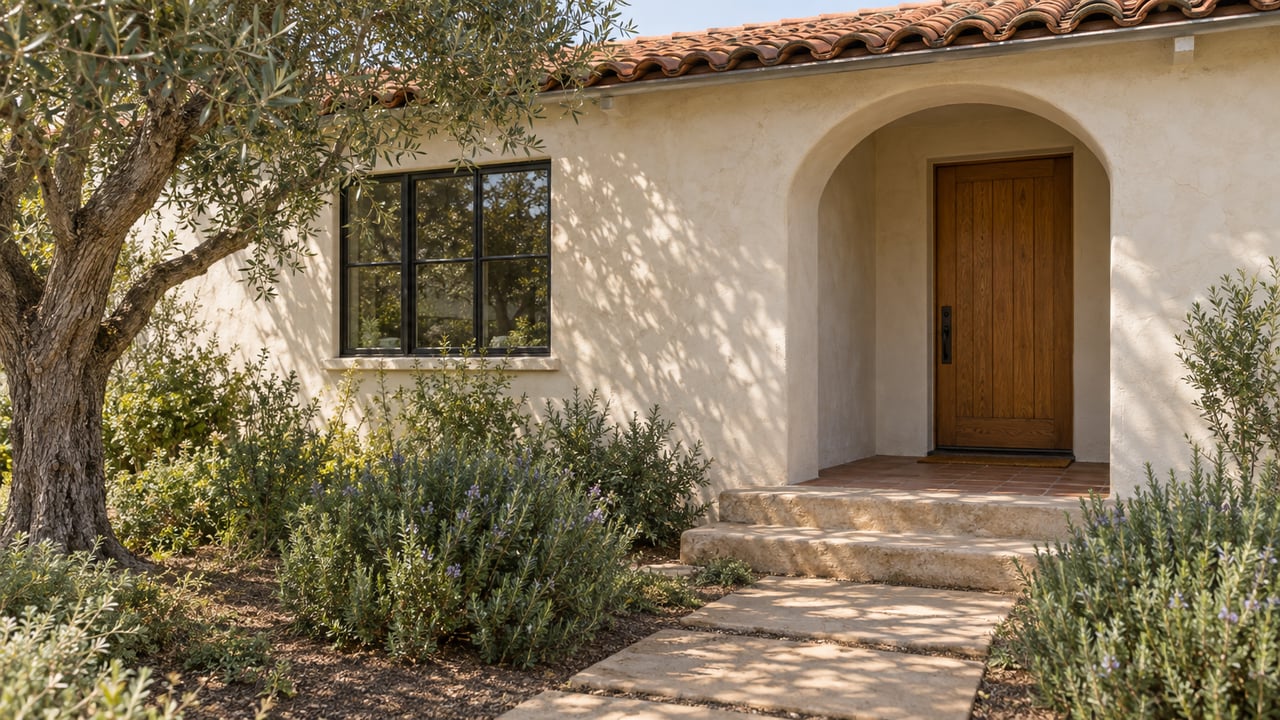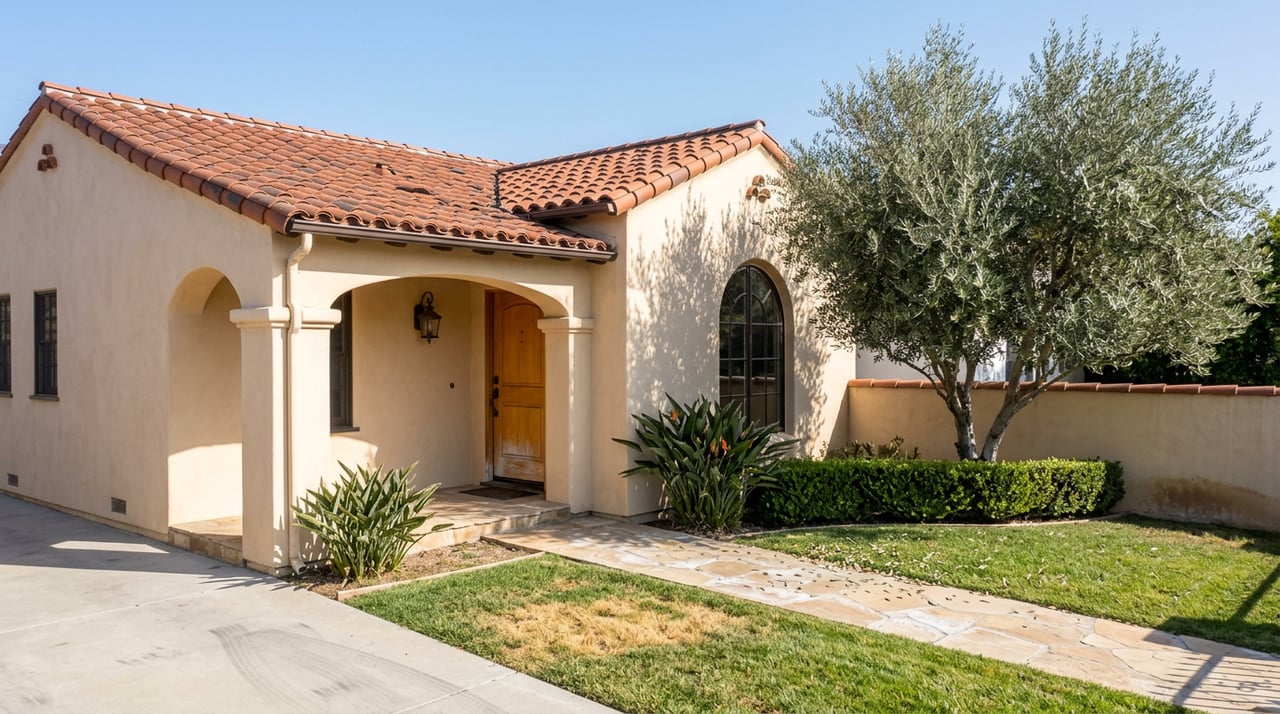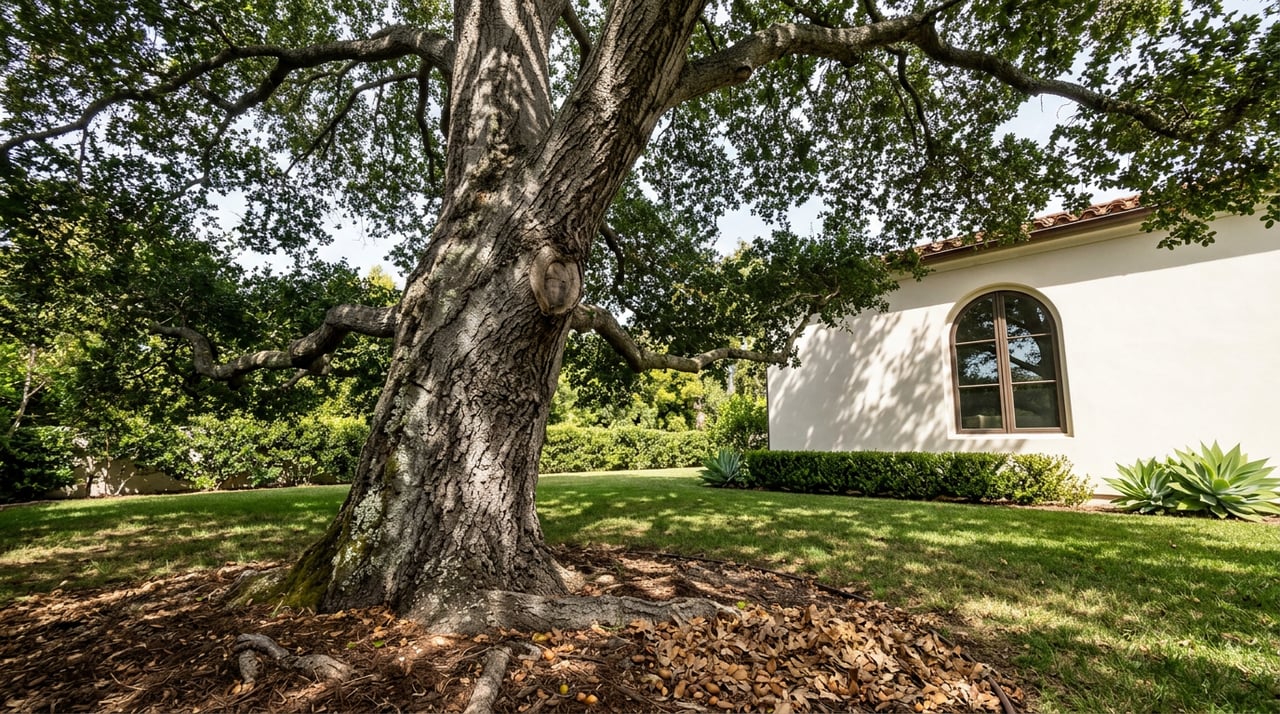
Walk a half-acre lot in Royal Oaks or Amestoy Estates this year and the listing agent will point out the same feature almost every time: a mature oak anchoring the back third of the yard, its canopy shading half the pool deck the buyer already has sketched out. It reads as a bonus. Shade, character, a mature specimen no developer could replant in a lifetime.
It is also, in a meaningful number of cases, a fixture with legal standing that the buyer's contractor will not be able to move.
That is the piece of Encino's real estate texture that rarely makes it into a walkthrough. The city treats certain native trees not as landscaping but as protected structures, and the parcels most likely to have one sitting in the exact spot a buyer wants for a pool, an ADU, or a rear addition are the same parcels marketed as spacious and flexible: the half-acre-plus lots south of Ventura Boulevard and the view parcels climbing into Encino Hills.
The name gives away the mechanism
The connection is not a coincidence dressed up for a headline. "Encino" is the Spanish word for oak, a fact the neighborhood carries in its own name and one that longtime residents and local writers still bring up when explaining what makes the area distinct from the rest of the San Fernando Valley, according to Ventura Blvd magazine.
The city's relationship with a specific oak in this pocket of the Valley also has a documented history. The Lang Oak, which stood on Louise Avenue just south of Ventura Boulevard, was declared a historical monument by the City of Los Angeles in 1963. Its trunk ran 24 feet in diameter and its branches spread roughly 150 feet before an El Niño storm brought it down in February 1998. The tree is gone, but the pattern it represents is not: this is a community where a specific oak's fate was, at one point, a matter of formal city designation rather than a private landscaping decision. That instinct did not disappear when the Lang Oak fell. It is written into current code.
What actually counts as protected, and what does not
Not every tree on an Encino lot carries this weight. The Los Angeles Municipal Code, under Sections 46.00 through 46.06, defines a protected tree as one of a specific list of native species once it reaches four inches or more in cumulative trunk diameter, measured four and a half feet above the ground. The ordinance was most recently amended by Ordinance No. 186,873, effective February 4, 2021, and the full text is available through the city's code library.
The species list is narrower than most homeowners assume:
| Protected species | Typical terrain it grows on in Los Angeles's hillside and foothill communities |
|---|---|
| California live oak, valley oak (excludes scrub oak) | The most commonly encountered protected species on residential lots, including older, larger parcels |
| Southern California black walnut | Foothill and canyon-adjacent lots |
| Western sycamore | Drainage lines and low-lying yard areas |
| California bay | North-facing hillside parcels |
| Toyon, Mexican elderberry | Property edges and slope banks |
A backyard citrus tree, a eucalyptus, a jacaranda planted by a prior owner, none of these fall under the ordinance no matter how large they grow. The LAFD's own summary of the ordinance confirms the species list is specific, and confirms that no one may relocate or remove a qualifying tree without first obtaining a permit from the Board of Public Works.
Where the collision actually happens
Encino's market runs on two distinct tiers, and the gap between them explains why this matters more in some pockets than others. The 91316 flats, north of Ventura Boulevard, carry a mix of condos, townhomes, and smaller single-family lots. The 91436 corridor south of Ventura and up into the hills carries the half-acre-plus estate lots, where prices run considerably higher and lots are large enough to have supported decades of unmanaged tree growth. As of mid-2026, the trailing three-month median sale price across Encino sits around $1.7 million, but that figure blends two markets that behave differently: modest flats inventory pulling the number down, and hillside estate sales pulling it up.
The larger the lot and the older the canopy, the higher the odds that a mature oak sits precisely where a buyer's renovation plan wants to put something. A half-acre parcel in Amestoy Estates or Royal Oaks has room for a full resort-style build, a pool, a covered kitchen, a lawn, but it also has more decades of unmanaged native growth than a smaller flats lot ever accumulates. Encino Hills adds a second complication: steep parcels where the trees in question often sit in exactly the spot that grading would need to touch to level a pad or route a driveway.
What it costs when it goes right, and what it costs when it does not
Local remodeling data backs this up directly. Full backyard projects in Encino typically run $85,000 to $220,000 or more, and one local design-build contractor working extensively in Amestoy Estates and Royal Oaks states plainly that the range is driven by
"the hillside grading, protected oaks and street access issues that move the number,"
according to their own published cost guide. That is not a fee schedule buried in a permit office. That is a contractor telling prospective clients, in plain language, that oaks are a line item.
The financial exposure is real but manageable when it is planned for: an arborist report, a Public Works permit application. The exposure that catches people off guard is procedural. Under LAMC 46.06, if a protected tree is removed or damaged illegally, the city has authority to withhold or revoke building permits for the property. That is not a fine attached to the tree work. That is the entire project, pool shell, ADU, addition, and all, frozen because a single trunk on the lot was cut down or graded over without the paperwork to match.
What to verify before you assume the lot is a blank canvas
A few steps, taken before design work starts rather than after, keep this from becoming an escrow surprise:
- Get a tree survey alongside the standard inspection. Map every tree’s cumulative trunk diameter at four and a half feet above the ground before finalizing a pool or addition footprint, not after the architect has already drawn it.
- Ask whether any tree on the property has ever been the subject of a removal permit, denial, or in-lieu fee payment, and request the paperwork rather than taking a verbal answer.
- If grading, a pool shell, or an ADU pad is part of the plan, have the arborist confirm the tree's protected zone before the design is locked.
- Confirm jurisdiction. City of Los Angeles addresses fall under LAMC 46.00 through 46.06. According to Benson Construction Group, adjacent unincorporated pockets of LA County use a separate Oak Tree Permit ordinance with different thresholds, so the rule that applies to a neighbor's lot may not apply to yours.
Encino has an organized civic history around exactly this kind of issue. The Encino Property Owners Association, active since 1964 and representing more than 1,100 members according to its own site, regularly engages with the city on land use and development questions. That level of community attention means changes to a protected specimen rarely go unnoticed for long, another reason to have the paperwork in order before a project starts rather than after a neighbor calls it in.
FAQ
Is every tree on an Encino lot legally protected? No. Only specific native species, oak, Southern California black walnut, western sycamore, California bay, toyon, and Mexican elderberry, once they reach four inches or more in cumulative trunk diameter. A large ornamental tree of a non-native species sits outside the ordinance entirely.
What if a previous owner already removed a protected tree before I bought the home? The exposure under LAMC 46.06 attaches to the property, since the city's authority is to withhold or revoke building permits tied to the illegal removal. A permit history check during due diligence is worth doing on any older estate lot where past yard work may not have been logged.
Does getting a permit guarantee the tree comes down? No. The Board of Public Works reviews the application and can approve, deny, or approve with conditions such as a replacement tree or an in-lieu fee. The review runs on the city's timeline, which is worth building into a renovation schedule rather than assuming it will match an escrow date.
Does the same rule apply everywhere in the Encino area? Jurisdiction is worth confirming for a specific address before assuming either rule applies.
None of this makes an oak-covered lot in Encino a liability. It makes it a lot that deserves the same level of scrutiny as a foundation or a roof, treated as a fixture with rules attached rather than a backdrop for a rendering. Buyers who ask the right questions before they fall in love with the canopy, and sellers who have the paperwork ready before a buyer asks, are the ones who get through escrow without a permit hold turning a straightforward remodel into a stalled one.
If you're weighing a purchase or preparing to list a lot with mature trees anywhere between Royal Oaks and Encino Hills, Jennifer Landon can walk the property with both a valuation lens and an eye for exactly this kind of friction before it becomes a change order. Schedule a valuation and strategy session to get ahead of it.
This article is general information, not legal, tax or financial advice. Consult a qualified professional about your situation.