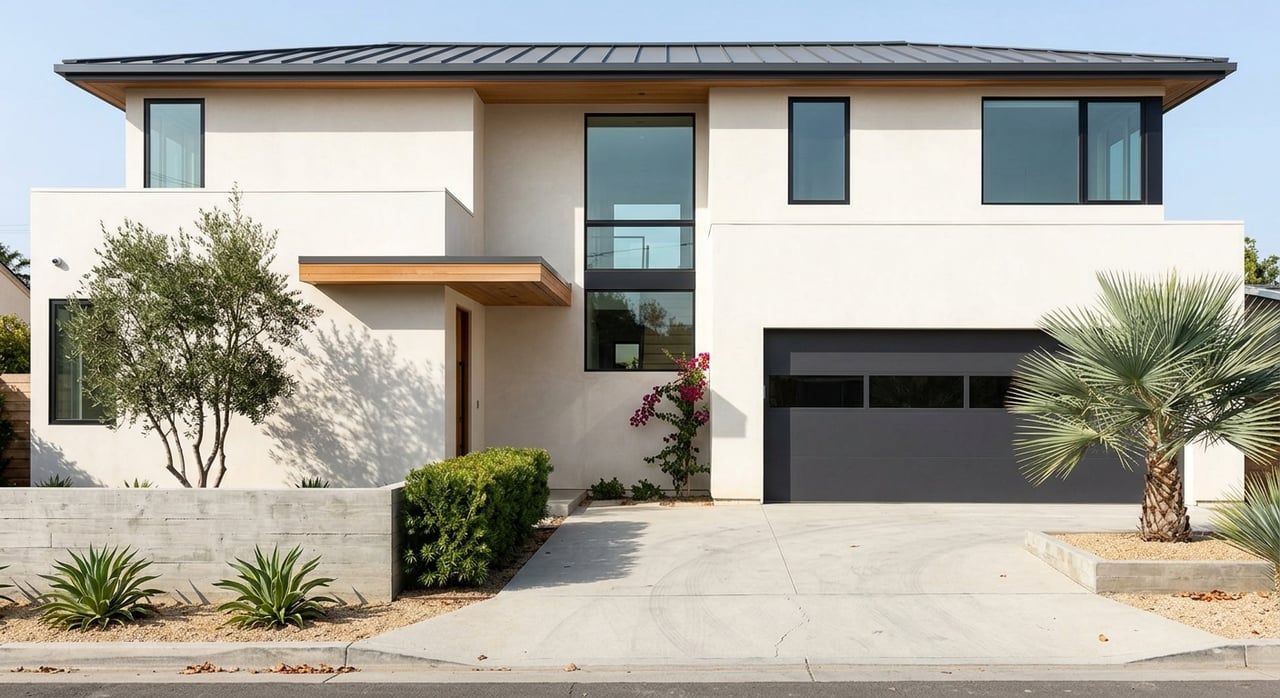
If you are torn between a sleek new build and a story-filled older home in Studio City, you are asking the right question. In a market where the average home value is about $1.60 million and the median sale price is around $1.78 million, the choice is rarely just about style. It is about how you want to live, what level of upkeep you can handle, and which property traits are most likely to hold value over time. Let’s dive in.
Why this choice matters in Studio City
Studio City is not a one-note neighborhood. The area developed over decades, which helps explain why you will find early- and mid-20th-century homes, courtyard apartments, postwar properties, hillside houses, and newer infill or replacement builds in the same broader market.
That variety creates real opportunity, but it also makes comparisons more nuanced. A newer home may look like the obvious winner at first glance, while a classic charmer may offer a better lot, more privacy, or a streetscape that feels harder to replicate.
How Studio City’s layout shapes value
The neighborhood changes in meaningful ways depending on where you are. North of Ventura Boulevard, the land is largely flat and follows a more traditional grid pattern with many early- to mid-20th-century residential subdivisions. South of Ventura, the terrain climbs into the Santa Monica Mountains, where curving streets, cul-de-sacs, slope, and access can have a much bigger impact on value.
That matters because price is not driven by age alone. In Studio City, lot usability, privacy, views, topography, and access often influence value just as much as finishes and square footage.
What new construction usually offers
New construction tends to appeal to buyers who want a move-in-ready experience. In practical terms, that often means a floor plan designed for how people live today, newer systems, and fewer near-term repair concerns.
California’s current energy-code environment is another factor. The California Energy Commission says updated Building Energy Efficiency Standards took effect on January 1, 2026, increasing efficiency requirements for newly constructed homes and some additions and alterations. For you, that can translate into a home built with more current efficiency standards in mind.
Benefits of a newer home
A newer home often gives you:
- More current layouts and room flow
- Newer roof, HVAC, plumbing, and electrical systems
- Lower short-term maintenance risk
- Features that align with current buyer expectations
- Construction shaped by current code-era efficiency standards
That does not mean every new build is automatically a better buy. It means you are often paying a premium for convenience, functionality, and reduced capital expense in the near term.
What a classic charmer can still do well
Older homes in Studio City can compete very well when the bones, layout, and lot are strong. Year built matters less than many buyers think when a home has been well maintained or thoughtfully renovated.
Fannie Mae’s condition guidance supports that idea. An older property can still be considered highly competitive if it has been recently and completely renovated, while other well-kept homes can still rate well even with some age. In plain English, charm does not have to mean compromise if the home functions well today.
Benefits of a classic home
A classic charmer may offer:
- Architectural character that feels distinct from newer builds
- Mature landscaping and established streetscapes
- Strong lot placement or site appeal
- Scarcity value when preserved appropriately
- Potential upside when key systems and layout have been improved
In Studio City, that can be especially meaningful in pockets where the original neighborhood fabric still shapes the appeal of the street.
The real tradeoff: lifestyle, maintenance, and site
The smartest way to look at this decision is not old versus new. It is lifestyle versus maintenance versus site value.
If you want fewer projects, less immediate repair risk, and a more current floor plan, new construction or a deep remodel may fit better. If you care most about character, a special lot, privacy, or a home that feels rooted in Studio City’s history, a classic property may be the stronger match.
That tradeoff becomes even clearer in a fast-moving market. Zillow reports homes in Studio City going pending in around 28 days, while Realtor.com reports homes selling at about 99% of list price on average in May 2026. When homes move quickly, it helps to know in advance which compromises you are comfortable making.
Why condition often matters more than age
Condition is one of the biggest drivers of value and buyer confidence. A beautifully styled older home may still hide costly issues if major components have not been replaced or if deferred maintenance has built up over time.
Appraisers and lenders pay close attention to needed repairs, deferred maintenance, and whether a home’s condition supports the price being paid. That is why two homes with similar size and similar style can perform very differently in the market.
Look beyond cosmetics
When you tour a classic home, pay close attention to:
- Roof age
- Plumbing condition
- Electrical system updates
- HVAC age and performance
- Drainage
- Foundation-related concerns
- Slope and retaining walls on hillside lots
- Access and parking practicality
- Additions or conversions that may not have been permitted
A home can feel charming and still require a major capital plan. Knowing that upfront helps you avoid overpaying for design that does not match the underlying condition.
Why permits matter in Los Angeles
In Los Angeles, permits are required for new construction, additions, alterations, and demolition or removal. That makes permit history a major part of due diligence for both buyers and sellers.
For buyers, the question is simple: was the work cosmetic, or was it truly remodeled, permitted, and inspected? For sellers, documented improvements can help support value, especially when structural changes, added square footage, or major system upgrades are involved.
Questions to ask about a remodeled home
Before you pay a premium for a remodel, ask:
- Were the improvements permitted?
- Were inspections completed?
- Did the remodel include structural or layout changes?
- Were major systems updated at the same time?
- Is the square footage supported by records?
These details can shape financing, appraisal outcomes, and resale value later.
How appraisers look at the comparison
A home’s value is based on the most probable price it would bring in a competitive and open market. That means appraisers are not just comparing finishes. They are also considering site size, shape, topography, access, utilities, amenities, and overall compatibility with the surrounding neighborhood.
In Studio City, this appraisal lens is especially useful because the housing stock is so mixed. A new build on an average lot may not always outperform a classic home on a standout lot, while a fully renovated home with modern function may command a premium over an untouched property with similar vintage appeal.
Which choice may fit you best
There is no universal winner in Studio City. The better choice depends on your goals, budget, and tolerance for future projects.
New construction may fit you if:
- You want a move-in-ready home
- You prefer newer systems and lower near-term maintenance
- You value current layouts and finishes
- You want a home shaped by current energy-efficiency standards
A classic charmer may fit you if:
- You value architecture and original character
- You care more about lot quality, privacy, or established setting
- You are comfortable budgeting for upkeep or phased improvements
- You see long-term value in a well-located older home
What sellers should know before listing
If you own an older home in Studio City, do not assume buyers will only focus on age. Many will pay strong prices for a classic property when the lot is compelling and the home shows clear pride of ownership.
What helps most is documentation. If you have completed major systems upgrades, structural work, additions, or meaningful renovations, organize that information before going to market. Clear records can strengthen buyer confidence and support the pricing story.
A thoughtful pricing strategy also matters in this market. With Studio City sitting in a multi-million-dollar range, buyers tend to compare properties closely and notice when a home’s condition, layout, or site does not align with the asking price.
Choosing between new construction and a classic charmer in Studio City is really about matching the property to your priorities. When you weigh site, condition, layout, and permit history together, the right answer usually becomes much clearer. If you want expert guidance rooted in both neighborhood knowledge and appraisal-grade valuation, schedule a valuation and strategy session with Jennifer Landon.
FAQs
Is new construction always worth more than an older home in Studio City?
- Not always. In Studio City, value can also depend heavily on lot quality, topography, privacy, access, condition, and how well the home fits current buyer expectations.
What should buyers check before buying a classic home in Studio City?
- Buyers should closely review roof age, plumbing, electrical, HVAC, drainage, slope, retaining walls, access, and whether additions or major remodel work were permitted.
Do permits matter when comparing remodeled homes in Studio City?
- Yes. In Los Angeles, permits are required for new construction, additions, and alterations, so permitted and inspected work can affect value, financing, and buyer confidence.
Are older homes in Studio City harder to finance?
- Age alone is not the issue. Condition, deferred maintenance, and repair needs are usually more important to lenders and appraisers than the year the home was built.
How fast do homes sell in Studio City right now?
- Current market data in the research report show homes going pending in about 28 days, which means buyers and sellers both benefit from clear pricing and strong due diligence.